
A Guide to Choosing the Right Lighting for Every Room
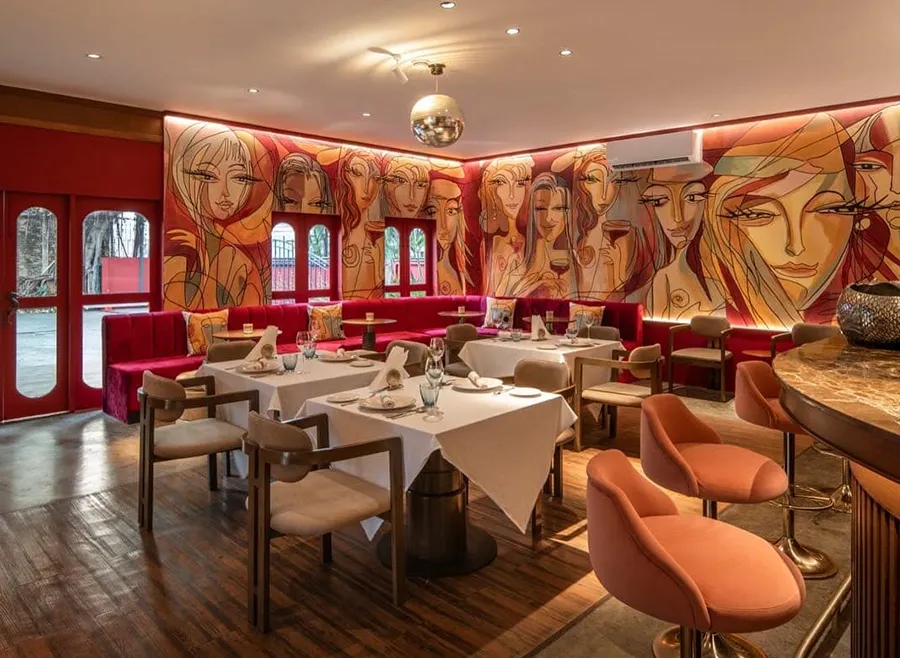
Lighting plays a crucial role in interior design — it not only illuminates spaces but also sets mood, highlights architectural features, and enhances functionality. Choosing the right lighting for each room requires thoughtful consideration of purpose, style, and ambiance. Here’s your comprehensive guide to selecting the perfect lighting for every room in your home or commercial space.
1. Know the Three Key Types of Lighting
- Ambient Lighting: The general, overall light that fills a room. It creates a comfortable level of brightness without glare. Examples include ceiling-mounted fixtures, chandeliers, or recessed lights.
- Task Lighting: Focused lighting designed to help with specific activities such as reading, cooking, or working. Desk lamps, under-cabinet lights, and pendant lamps are typical task lights.
- Accent Lighting: Highlights artwork, architectural details, or decorative objects. Spotlights, track lighting, and wall sconces add drama and depth.
2. Living Room — Warm and Layered
Your living room is a versatile space for relaxing, entertaining, and socializing. Combine ambient lighting with warm-toned fixtures to create a cozy atmosphere. Add task lighting like floor or table lamps near seating areas for reading. Use accent lighting to highlight artwork or shelves. Incorporating dimmers allows you to adjust the mood easily from lively gatherings to intimate evenings.
3. Kitchen — Bright and Functional
Kitchens demand bright, shadow-free lighting for safety and efficiency. Use strong ambient lighting like recessed ceiling lights, combined with task lighting under cabinets and over islands or countertops. Pendant lights add style and focus light on work areas. Opt for cool white bulbs to keep the space energetic and clear.
4. Bedroom — Soft and Calming
Bedrooms should feel restful and serene. Choose soft, warm ambient lighting with dimmable ceiling fixtures or wall-mounted sconces. Bedside table lamps offer convenient task lighting for reading. Consider indirect lighting options like LED strips behind the headboard to create a gentle glow and soothing atmosphere.
5. Bathroom — Bright and Even
Bathrooms require bright and even lighting, especially around mirrors for grooming. Vanity lights or sconces placed on either side of the mirror reduce shadows on the face. Ambient ceiling lights provide general illumination. Choose bulbs with high color rendering index (CRI) to show true colors, which is important for makeup and shaving.
6. Home Office — Balanced and Focused
A home office needs lighting that minimizes eye strain and promotes productivity. Combine natural light with adjustable task lighting such as desk lamps with dimmer controls. Avoid harsh overhead lights and glare by using layered lighting. Choose bulbs with a cool color temperature to keep energy levels up during work hours.
7. Commercial Spaces — Tailored and Efficient
Commercial interiors require lighting designed for specific functions and brand identity. Retail spaces benefit from bright, inviting ambient lighting with accent lights on products. Offices need ergonomic lighting that supports long hours and reduces fatigue. Hospitality areas blend ambiance and task lighting to create welcoming yet functional environments.
Choosing the right lighting for every room is essential to enhance aesthetics, comfort, and usability. By understanding the purpose of each space and layering ambient, task, and accent lighting, you can create balanced, inviting environments tailored to your lifestyle or business needs.